
Mental Health Resources
Mental Health Resources for Dispatchers
You’re the First First Responder
As a dispatcher, you’re the calm in chaos—the first voice people hear in their worst moments. That responsibility is real, and so is the impact it can have on you.
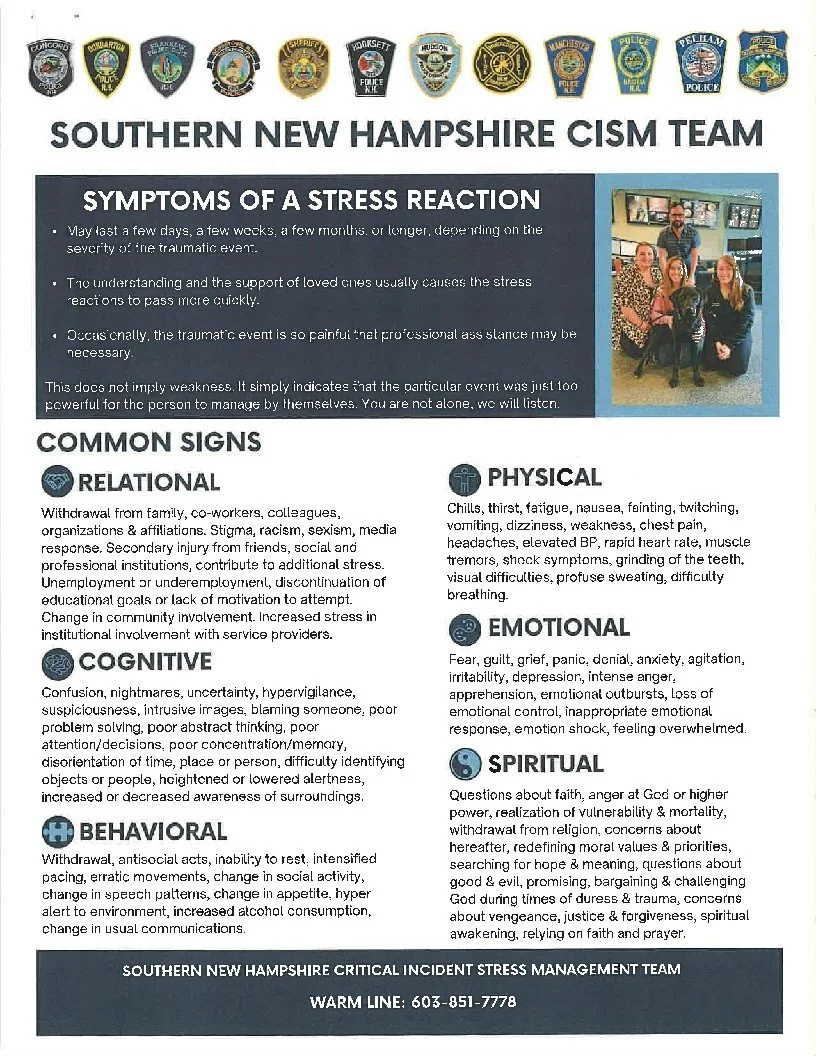
Long hours, high-pressure calls, and constant alertness can take a toll. Taking care of your mental health is part of doing this job—and staying in it.
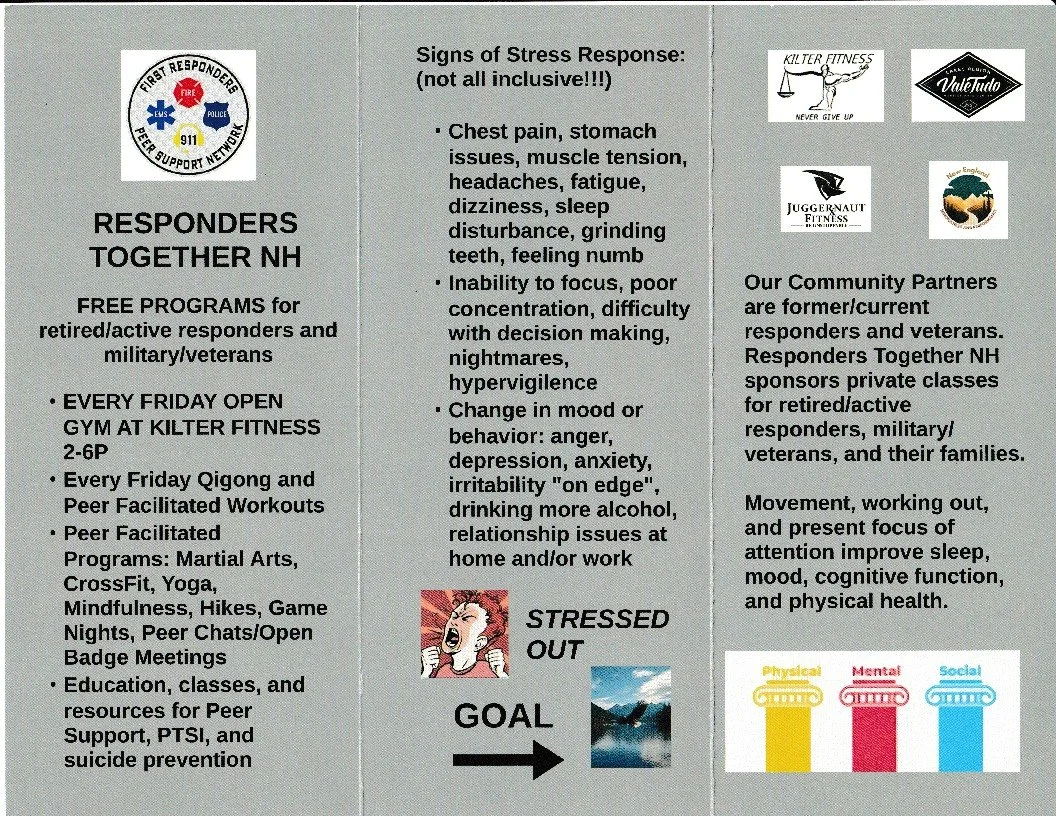
Many dispatchers experience:
Trouble sleeping or replaying calls
Feeling on edge, irritable, or numb
Difficulty disconnecting after a shift
Stress, anxiety, or burnout
These are normal responses to a demanding job—not signs of weakness.
You’re Not Alone
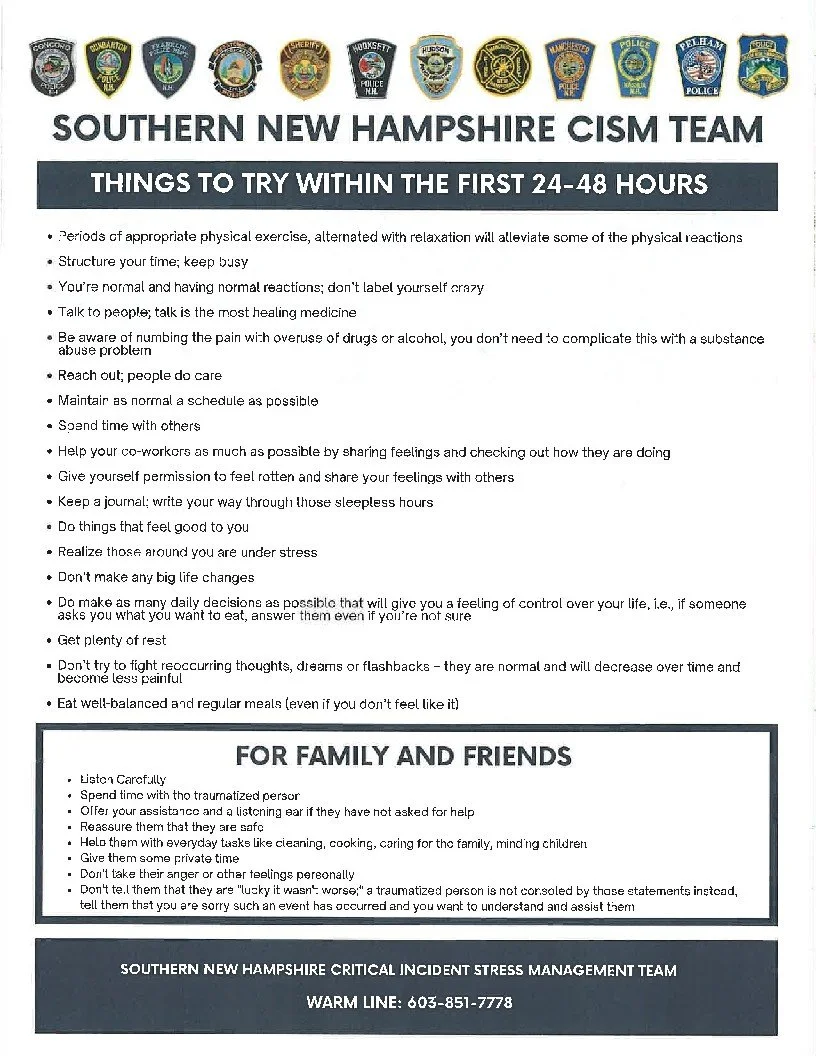
If the job is affecting how you feel or function—on or off shift—it may be time to get support.
When It Starts to Build Up
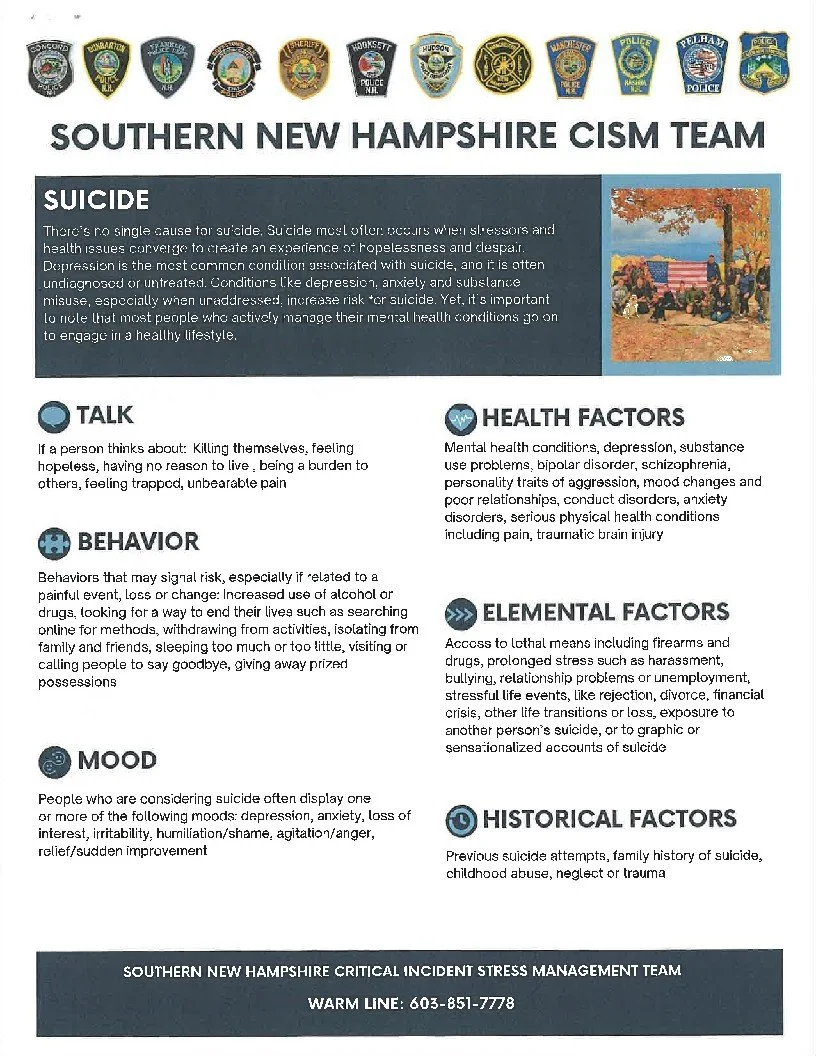
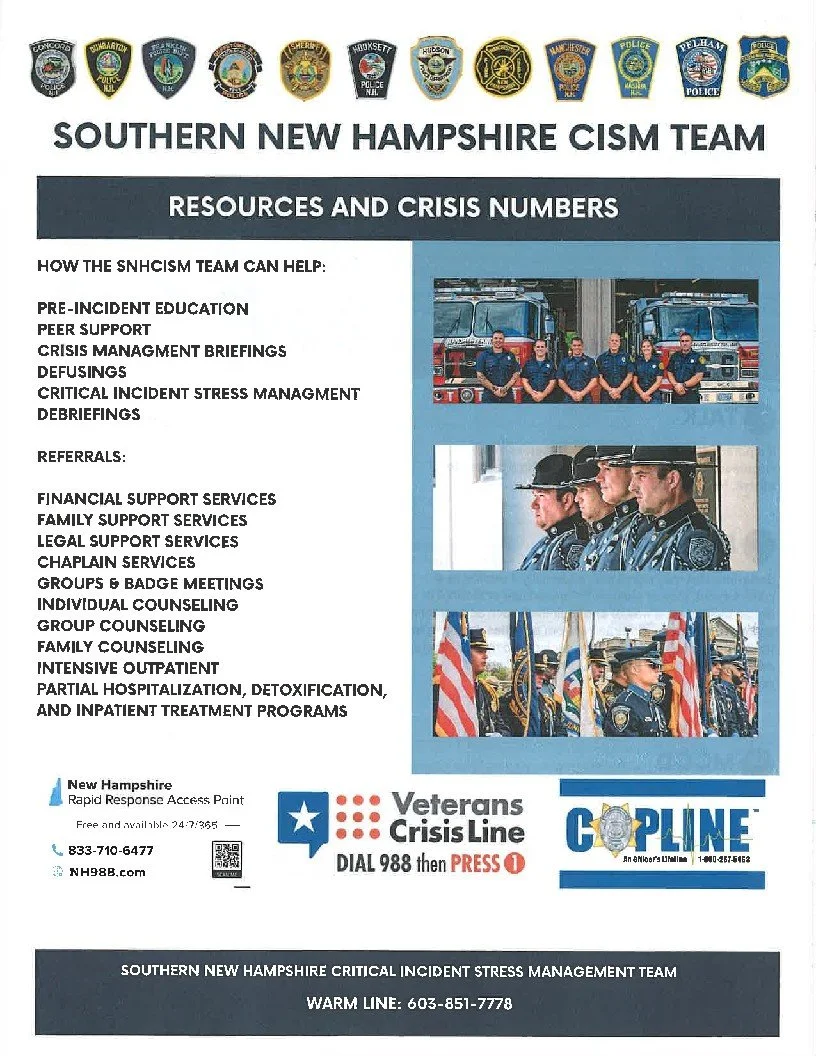
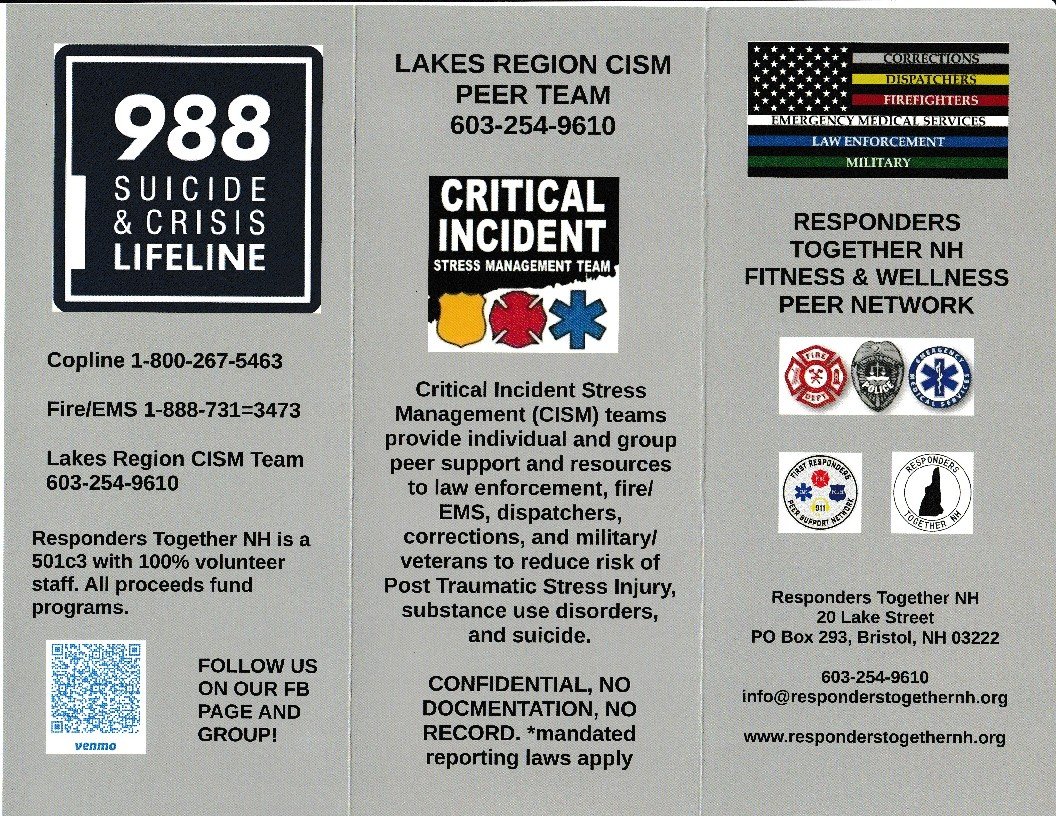
Call or text 988 (U.S. Suicide & Crisis Lifeline)
If you are in immediate danger, call 911
Immediate Help (24/7)
You support everyone else—callers, responders, and your team. Your well-being matters just as much.
You don’t have to carry it alone. Support is available when you need it. We have provided resources that you can reach out to. If you are unable to find what you need, reach out to us at secretary@nheda.org and we can connect you with any number of resources available to us in NH.
Take Care of Yourself, Too